


What a great company had to move car from New Jersey to Florida was skeptical about some other quotes that I received. This was no nonsense delivered the car early and for the price that they told me.
Richard Durgin
October 28, 2026



Updated November 2026
Ship your car from Pennsylvania to Texas in an estimated 3–7 days after pickup. Get your shipping price instantly.
Don’t Drive It. Haulify It.
Shipping a car from Pennsylvania to Texas covers approximately 1,335 to 1,780 miles across representative city pairs, with an estimated 3–7 days in transit after pickup, depending on mileage. Vehicles departing Philadelphia, Pittsburgh, Harrisburg, Scranton, and surrounding communities may be transported to Dallas-Fort Worth, Houston, Austin, San Antonio, and other Texas destinations.
This southwestbound route connects Pennsylvania's Northeast, central, and western transportation networks with Texas's major metropolitan corridors. Pickup conditions in Philadelphia differ from those in Pittsburgh or Pennsylvania's Appalachian communities, while deliveries to North Texas involve different highway connections than those serving Houston or Central Texas. Explore our Pennsylvania car shipping and Texas car shipping guides for additional statewide information.
The distance between Pennsylvania and Texas depends on the specific origin and destination. A vehicle traveling from Pittsburgh to Houston follows a different transportation pattern than one departing Scranton for San Antonio.
Pennsylvania pickup geography: Philadelphia and nearby communities connect with southeastern Pennsylvania's interstate network, while Pittsburgh provides access to major corridors in the western part of the state. Harrisburg and Scranton connect with different north-south and east-west highways. More remote communities may require additional carrier positioning.
Texas delivery geography: Dallas-Fort Worth serves North Texas, Houston lies farther southeast, and Austin and San Antonio have distinct Central Texas connections. Shipments continuing to the Panhandle, West Texas, or the Rio Grande Valley may involve substantially different distances.
Haulify's approved rate tiers also change with mileage. Representative routes under 1,500 miles use a different per-mile calculation than those between 1,500 and 1,999 miles.
The customer's exact pickup and delivery ZIP codes are essential for determining the applicable route and shipment-specific price.
Vehicle dimensions, weight, modifications, ground clearance, and operating condition influence the transportation equipment required.
Open auto transport is a practical option for everyday sedans, SUVs, and pickup trucks. The vehicle travels on an open trailer and remains exposed to normal weather and road conditions during transit.
Enclosed auto transport offers additional shielding from outside elements and road debris. Customers transporting classic, restored, luxury, or specialty vehicles may prefer this option.
Oversized pickup trucks, modified vehicles, inoperable automobiles, or models with unusually low ground clearance may require different loading or handling arrangements.
Customers should provide accurate vehicle details when requesting their price. Learn more about enclosed auto transport when comparing protection options.
Vehicle size and operating condition can affect trailer space, equipment needs, and the quote. The examples assume a standard sedan. Larger or heavier vehicles use different trailer space, and a vehicle that does not run may need different loading arrangements. Provide the make, model, modifications, and operating condition so the quote can be evaluated correctly.
Pennsylvania-to-Texas vehicle shipping can involve household relocations, military moves, university transitions, and other planned transportation needs.
Winter conditions in Pennsylvania: Snow, ice, and freezing temperatures can affect pickup access and interstate travel. During significant winter storms, Pennsylvania may implement commercial vehicle restrictions on affected highways.
Weather farther south: Severe thunderstorms, flooding, and other regional weather conditions may influence transportation through the central and southern United States. Coastal Texas destinations can also experience tropical weather concerns during hurricane season.
Customers with specific moving dates should communicate their vehicle availability and receiving arrangements before scheduling.
Flexible pickup dates may provide more carrier options. Actual shipping prices depend on transportation requirements and current carrier availability rather than a fixed seasonal pattern.
What a great company had to move car from New Jersey to Florida was skeptical about some other quotes that I received. This was no nonsense delivered the car early and for the price that they told me.
Pick this company if you want your car transported correctly and for the price they quoted for! Awesome driver and company, got my car picked up on schedule and dropped off on schedule, will definitely be using again for all my car transport needs !
There was clear and concise communication throughout the shipping process. I appreciated working with Haulify and Darius because the quote given did not change and the driver assignment was quick, on time and easy. I recommend this company above others. (I have shipped my car several times to other states using different services.) My experience has never been this seamless so I will be using Haulify again!
Great communication. I felt secure as they transported my car, I truly feel confident in them. I recommend using this company, the quoted price doesn’t change and they work with you within the outlined timeframe.
We had to have three cars hauled with a little bit of a short notice on scheduling but Darius got us sorted out for a fair cost, without any problems, and our cars showed up just how they left and when they said they would. I never shipped a car before and the process with Haulify and the skilled assistance of Darius made it pretty easy. I would definitely use Haulify again.
I highly recommend them! They're excellent, and I'll never work with any other company again. They fully deserve what they charge.
Awesome service and transparent. I appreciate the prompt response
Excellent communication!
True Professionals here, they gave me a price and a timeline and stuck to it...It's very rare these days with these type of services...I'd use Haulify again in a second and recommend them to anyone considering moving their vehicles.
Fast service
I am a repeat customer of Haulify and cannot recommend them highly enough!!! Both times I used Haulify to transport my vehicles cross country, and both times I was so impressed. Not only was the process timely (and both times my vehicle arrived precisely on time), but the communication throughout the process was impeccable. I will never use another company to transport my vehicles ever again, and I look forward to giving Haulify my business in the future when the need arises. Hands down the best out there!
Haulify was unreal from start to finish. I shipped a vehicle from San Diego to Chicago, and the entire process was smooth, transparent, and stress-free. Their communication was top-tier — constant updates, quick responses, and zero guesswork at any point. They did exactly what they said they would do, when they said they'd do it, which is rare in vehicle transport. Pickup and delivery were on time, the car arrived in perfect condition, and the execution overall was extremely professional. You can tell they actually care about doing things the right way, not just moving cars. If you're looking for a company that combines excellent communication, reliability, and flawless execution, Haulify is it.
I give haulify an A+. They were awesome to work with and everything went very smoothly. Very good communication. I'd recommend them in a heartbeat
Thank you so much Darius was s amazing with helping me process everything, replied to every call or text and. Kept me informed I have received my truck just yet but I will def be packing for part two. This guy is always at work never missed a call ❤️
Without question this is the best company I've ever worked with when it comes to relocating a vehicle. The customer service was immaculate making the drop off/pick up of my vehicle seamless. I have to travel a bit, from time to time, and utilizing my own vehicle makes the most sense so I will 100% be using their services again. Highly recommend.
Fast reliable service & on time. Thank you for the great service & customer service.
PENNSYLVANIA TO TEXAS VEHICLE SHIPPING
Why Customers Ship Vehicles From Pennsylvania to Texas
Pennsylvania-to-Texas auto transport can support permanent household relocations, military assignments, university or career moves, and out-of-state vehicle purchases. Haulify coordinates transportation arrangements with an assigned motor carrier, which performs the physical vehicle pickup and delivery. The appropriate plan depends on the customer's pickup location, Texas destination, vehicle details, and transportation schedule.
Household and Career Relocations
Moving from Pennsylvania to Texas involves coordinating personal travel, household belongings, housing arrangements, and vehicle transportation. Shipping allows customers to arrange the vehicle's move separately rather than completing the entire interstate drive themselves.
Military and Professional Assignments
Customers relocating for military service or professional assignments may need vehicle transportation coordinated around reporting dates, temporary housing, and receiving availability. Installation restrictions or limited access to the pickup and delivery locations should be confirmed before scheduling.
Dealership and Private Vehicle Purchases
A vehicle purchased from a Pennsylvania dealership or private seller may need delivery to a Texas buyer. Confirming seller availability, pickup authorization, vehicle operating condition, and receiving contact information helps prepare the shipment.
University and Early-Career Moves
Students, graduates, and young professionals moving to Texas may need transportation to an apartment, university community, or new residence. Customers should consider parking rules, campus access restrictions, and the availability of someone to receive the vehicle.

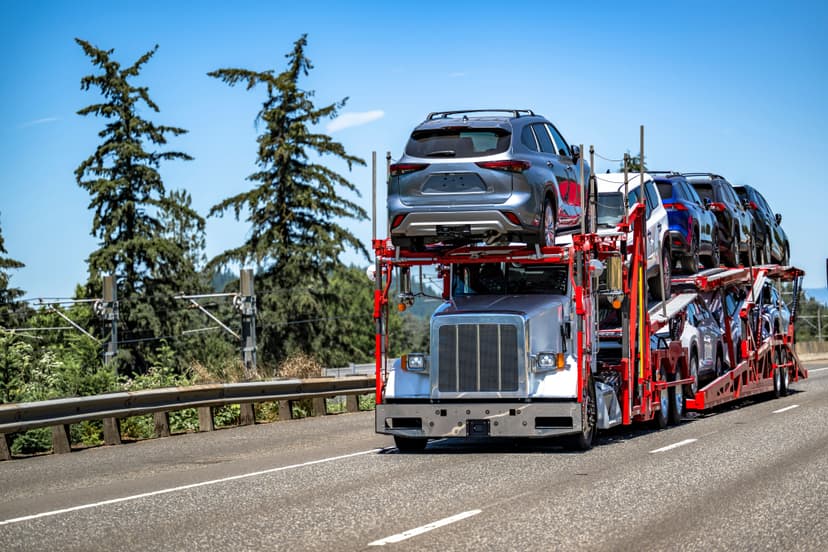
Keep Pennsylvania pickup areas accessible during winter.
Coordinate relocation dates with vehicle availability and receiving arrangements.
Allow flexibility when severe weather or commercial vehicle restrictions affect the route.

Factor |  Haulify-ing It! | Driving It Yourself |
|---|---|---|
Your Time | Vehicle moves separately from your personal travel | You complete the interstate drive |
Vehicle mileage | Avoids adding the full road-trip mileage | Adds the road-trip mileage |
Trip expenses | Transportation is reflected in your quote | Fuel, meals, tolls, and possible lodging |
Convenience | Haulify coordinates transportation; the assigned carrier performs the move | You manage weather, traffic, stops, and the full drive |
"Moving from Philadelphia or Pittsburgh to Texas? If your Pennsylvania pickup street is narrow or crowded, arrange a wide, paved meeting spot before pickup day. Your driver needs enough room to load your car safely onto the trailer!"

As of November 2026, the illustrative cost to ship a standard operable sedan from Philadelphia to Dallas is approximately $943–$1,355 using open auto transport for a 1,473-mile route. Across the four representative routes shown here, calculated estimates range from approximately $854 to $1,405. These figures use Haulify's approved per-mile methodology rather than observed carrier averages. Actual prices depend on the exact locations, vehicle details, transportation method, scheduling requirements, and current carrier availability.
Estimated transit depends on the route distance. Philadelphia to Dallas and Pittsburgh to Houston are estimated at 3–5 days after pickup. Harrisburg to Austin is estimated at 4–6 days, while Scranton to San Antonio is estimated at 5–7 days. These estimates exclude carrier assignment and pickup scheduling. Actual transit may vary with routing, additional stops, road conditions, and operational requirements.
Yes. Dallas-Fort Worth is in North Texas, while Houston is farther southeast and San Antonio is in South-Central Texas. The different destinations influence shipping distance, regional highway connections, and final delivery arrangements. Accurate delivery ZIP codes are necessary for a shipment-specific price.
Vehicle transportation can be coordinated from Philadelphia, Pittsburgh, and surrounding communities, subject to carrier availability and safe access. Large trailers may be unable to maneuver on certain narrow residential streets, near restricted parking areas, or along roads with limited turning space. When direct pickup is unsuitable, an accessible nearby meeting location may be coordinated.
Yes. Pennsylvania snow, ice, and winter storms can affect vehicle pickup and highway travel. PennDOT may also implement temporary commercial vehicle restrictions during significant weather events. Conditions in other states along the assigned carrier's route can affect transit as well. Actual delays depend on weather and road conditions, not the calendar alone.
Open auto transport is a practical and generally more economical option for everyday passenger vehicles. Enclosed auto transport provides additional shielding from outside weather and road debris, which may appeal to owners of classic, luxury, restored, or specialty vehicles. The right choice depends on vehicle type, budget, and desired protection.
Yes. Vehicle transportation can be coordinated separately from personal travel, provided suitable pickup and delivery arrangements are established. An authorized person may be able to release or receive the vehicle on the customer's behalf. For military-related moves, installation access requirements and reporting schedules should be confirmed before arranging transportation. Delivery timing should not be treated as guaranteed.
Large auto transport trailers may be unable to enter narrow residential streets, apartment complexes, gated developments, or rural properties with insufficient turning space. If the requested delivery address cannot be accessed safely or legally, the carrier may coordinate a nearby paved, truck-accessible location for unloading. Customers should communicate access restrictions and gate requirements in advance.