


What a great company had to move car from New Jersey to Florida was skeptical about some other quotes that I received. This was no nonsense delivered the car early and for the price that they told me.
Richard Durgin
October 28, 2026



Updated November 2026
Ship your car from Minnesota to Texas in an estimated 2–5 days after pickup. Get your shipping price instantly.
Don’t Drive It. Haulify It.
Shipping a car from Minnesota to Texas covers approximately 940 to 1,400 miles across representative routes connecting Minneapolis, St. Paul, Rochester, and Duluth with major Texas destinations. Estimated transit is 2–4 days after pickup for routes under 1,000 miles and 3–5 days for representative routes of 1,000–1,499 miles. The actual distance depends on where the vehicle is picked up in Minnesota and whether it is being delivered to North Texas, the Gulf Coast, or farther south.
Interstate 35 creates a distinctive north-to-south transportation connection between Minnesota and Texas, linking the Twin Cities and Duluth with the broader interstate network extending toward Dallas-Fort Worth, Austin, and San Antonio. Houston deliveries branch toward Southeast Texas, while destinations in the Rio Grande Valley, Panhandle, or West Texas require additional routing. Explore our Minnesota car shipping and Texas car shipping guides for additional statewide information.
The distance between Minnesota and Texas depends heavily on the cities involved. Minneapolis to Dallas is a shorter interstate shipment than Duluth to San Antonio or a delivery continuing beyond Central Texas to the Rio Grande Valley.
Minnesota pickup geography: Minneapolis and St. Paul provide access to the Twin Cities interstate network, while Rochester, Duluth, and communities farther from major highways involve different carrier positioning requirements.
Texas delivery geography: Dallas-Fort Worth lies along a major north-to-south corridor. Houston requires travel farther southeast, while Austin and San Antonio involve additional mileage along Central Texas connections. Destinations in West Texas, the Panhandle, or South Texas may require considerably more transportation distance.
Accurate ZIP codes are necessary to determine which mileage category applies and whether additional carrier travel or special pickup and delivery arrangements are needed.
Use Haulify’s car shipping cost calculator to estimate your shipment using your actual locations and vehicle.
Vehicle dimensions, weight, modifications, ground clearance, and operating condition influence the transportation equipment required for a Minnesota-to-Texas shipment.
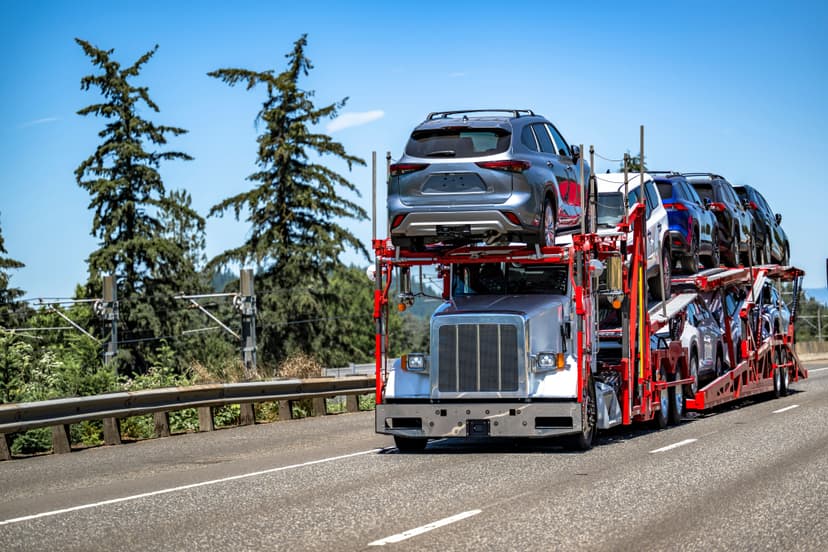
Open auto transport is a practical option for everyday sedans, SUVs, and pickup trucks. The vehicle travels on an open trailer and remains exposed to ordinary outdoor conditions.
Enclosed auto transport provides additional protection from weather and road debris. Owners of classic, luxury, restored, or specialty vehicles may prefer this option, particularly when additional shielding is a priority.
Larger vehicles, low-clearance cars, and inoperable automobiles may require different loading equipment or handling arrangements. Customers should disclose these details when requesting a quote.
Learn more about enclosed auto transport when comparing transportation options.
Yes. Vehicle size and operating condition can affect trailer space, equipment needs, and the quote. The examples assume a standard sedan. Larger or heavier vehicles use different trailer space, and a vehicle that does not run may need different loading arrangements. Provide the make, model, modifications, and operating condition so the quote can be evaluated correctly.
Minnesota-to-Texas vehicle transportation may be associated with permanent relocations, long winter stays, academic moves, or other scheduled travel.
Winter departures from Minnesota can involve snow, freezing temperatures, and icy loading areas. Customers leaving for an extended stay in Texas should consider when their vehicle will be available for pickup and who can receive it at the destination.
Carrier availability may change throughout the year, particularly when customers have narrow pickup windows or locations requiring additional travel. Scheduling flexibility can provide more transportation options.
Actual pricing depends on available carriers and shipment requirements, not simply whether the shipment occurs during a particular season.
What a great company had to move car from New Jersey to Florida was skeptical about some other quotes that I received. This was no nonsense delivered the car early and for the price that they told me.
Pick this company if you want your car transported correctly and for the price they quoted for! Awesome driver and company, got my car picked up on schedule and dropped off on schedule, will definitely be using again for all my car transport needs !
There was clear and concise communication throughout the shipping process. I appreciated working with Haulify and Darius because the quote given did not change and the driver assignment was quick, on time and easy. I recommend this company above others. (I have shipped my car several times to other states using different services.) My experience has never been this seamless so I will be using Haulify again!
Great communication. I felt secure as they transported my car, I truly feel confident in them. I recommend using this company, the quoted price doesn’t change and they work with you within the outlined timeframe.
We had to have three cars hauled with a little bit of a short notice on scheduling but Darius got us sorted out for a fair cost, without any problems, and our cars showed up just how they left and when they said they would. I never shipped a car before and the process with Haulify and the skilled assistance of Darius made it pretty easy. I would definitely use Haulify again.
I highly recommend them! They're excellent, and I'll never work with any other company again. They fully deserve what they charge.
Awesome service and transparent. I appreciate the prompt response
Excellent communication!
True Professionals here, they gave me a price and a timeline and stuck to it...It's very rare these days with these type of services...I'd use Haulify again in a second and recommend them to anyone considering moving their vehicles.
Fast service
I am a repeat customer of Haulify and cannot recommend them highly enough!!! Both times I used Haulify to transport my vehicles cross country, and both times I was so impressed. Not only was the process timely (and both times my vehicle arrived precisely on time), but the communication throughout the process was impeccable. I will never use another company to transport my vehicles ever again, and I look forward to giving Haulify my business in the future when the need arises. Hands down the best out there!
Haulify was unreal from start to finish. I shipped a vehicle from San Diego to Chicago, and the entire process was smooth, transparent, and stress-free. Their communication was top-tier — constant updates, quick responses, and zero guesswork at any point. They did exactly what they said they would do, when they said they'd do it, which is rare in vehicle transport. Pickup and delivery were on time, the car arrived in perfect condition, and the execution overall was extremely professional. You can tell they actually care about doing things the right way, not just moving cars. If you're looking for a company that combines excellent communication, reliability, and flawless execution, Haulify is it.
I give haulify an A+. They were awesome to work with and everything went very smoothly. Very good communication. I'd recommend them in a heartbeat
Thank you so much Darius was s amazing with helping me process everything, replied to every call or text and. Kept me informed I have received my truck just yet but I will def be packing for part two. This guy is always at work never missed a call ❤️
Without question this is the best company I've ever worked with when it comes to relocating a vehicle. The customer service was immaculate making the drop off/pick up of my vehicle seamless. I have to travel a bit, from time to time, and utilizing my own vehicle makes the most sense so I will 100% be using their services again. Highly recommend.
Fast reliable service & on time. Thank you for the great service & customer service.
SOUTHBOUND SHIPPING NEEDS
Why Customers Ship Vehicles From Minnesota to Texas
Vehicle transportation from Minnesota to Texas can support a permanent household move, an extended winter stay, a work or education-related relocation, or an out-of-state vehicle purchase. Haulify coordinates the transportation arrangements with an assigned motor carrier, helping customers plan around their vehicle's availability and their destination requirements.
Household and Career Relocations
Moving from Minneapolis, St. Paul, or another Minnesota community to a Texas metro area involves coordinating personal travel, household belongings, and vehicle delivery. Shipping allows the vehicle to travel separately while customers manage the other parts of their relocation.
Winter Stays in Texas
Some Minnesota residents spend part of the winter in warmer Texas communities, including destinations in South Texas and the Rio Grande Valley. Vehicle shipping may be useful when customers prefer to fly rather than complete the entire drive. The actual winter residence should be used as the delivery destination when requesting a quote.
Work and Education-Related Moves
A new job, professional assignment, internship, or university move may require transportation between Minnesota and Texas. Planning should account for vehicle availability, parking or unloading restrictions, and whether the customer will be present to receive the vehicle.
Out-of-State Vehicle Purchases
A vehicle purchased from a Minnesota dealership or private seller may need delivery to a buyer in Texas. Confirming the vehicle's condition, seller availability, release authorization, and delivery contact helps prepare the transportation arrangements.

Keep Minnesota pickup areas accessible during winter.
Coordinate seasonal Texas travel with vehicle availability.
Allow flexibility if severe storms affect the interstate route or destination.

Factor |  Haulify-ing It! | Driving It Yourself |
|---|---|---|
Your Time | Vehicle moves separately from your personal travel | You complete the interstate drive |
Vehicle mileage | Avoids adding the full road-trip mileage | Adds the road-trip mileage |
Trip expenses | Transportation is reflected in your quote | Fuel, meals, tolls, and possible lodging |
Convenience | Haulify coordinates transportation; the assigned carrier performs the move | You manage weather, traffic, stops, and the full drive |
"Spending the winter in South Texas? Use your actual destination ZIP code when getting a quote. San Antonio and the Rio Grande Valley aren't the same delivery stop, and those extra miles matter!"

As of November 2026, the illustrative cost to ship a standard operable sedan from Minneapolis to Dallas is approximately $725–$1,159 using open auto transport for a 942-mile route. Across the four representative routes shown here, calculated estimates range from approximately $725 to $1,291. These figures are based on Haulify's approved mileage pricing formula, not observed carrier averages. Your actual price depends on the specific locations, vehicle, transport method, scheduling, and carrier availability.
Estimated transit depends on the route distance. Minneapolis to Dallas is approximately 2–4 days after pickup, while the representative routes from St. Paul to Houston, Rochester to Austin, and Duluth to San Antonio are estimated at 3–5 days after pickup. These transit estimates exclude carrier assignment and pickup scheduling. Different locations may fall into other transit categories.
Yes. Dallas-Fort Worth is farther north, while Houston is in Southeast Texas and San Antonio is farther south along the I-35 corridor. The different destinations affect mileage, applicable pricing tiers, and carrier routing. Accurate delivery ZIP codes help establish the appropriate transportation plan.
Vehicle transportation can be coordinated from Duluth and other northern Minnesota communities, subject to carrier availability and location-specific requirements. Duluth connects to the Twin Cities through I-35, while more remote origins may require additional carrier positioning. Customers should provide the actual pickup address and identify any winter or road-access restrictions.
Yes. Customers spending an extended winter stay in Texas can arrange a southbound shipment and separately plan a northbound return when needed. The two trips require their own scheduling and pricing based on the actual origins, destinations, dates, and carrier availability. Confirm the receiving arrangements at each location before booking.
Yes. Heavy snow, ice, and unsafe loading areas can affect pickup or transportation. Road conditions may also change along the interstate corridor. Customers should keep their vehicle accessible and allow for adjustments when significant weather affects the route. Winter conditions do not automatically mean every shipment will experience a delay.
Open auto transport is a practical and generally more economical option for everyday passenger vehicles. Enclosed auto transport provides additional shielding from weather and road debris, which may be preferable for classic, luxury, restored, or specialty vehicles. The right option depends on the vehicle and the customer's protection preferences.
Yes. Vehicle transportation can be coordinated separately from personal travel, provided pickup and delivery arrangements are established. An authorized person may be able to release or receive the vehicle on the customer's behalf. Because delivery timing is estimated, customers should confirm receiving availability and avoid assuming the car will arrive on a guaranteed date.